




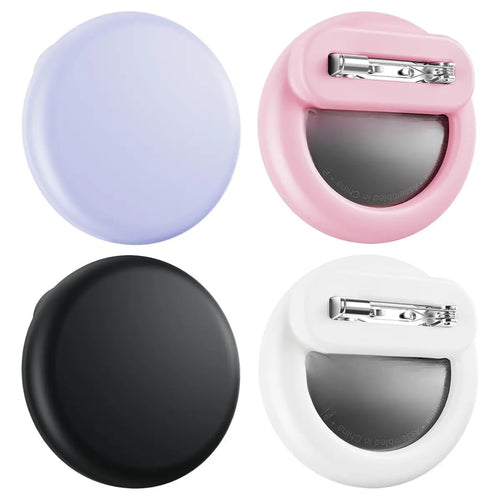



A stolen car can turn a normal morning into a call to police, an insurance claim, missed work, and weeks of uncertainty. An Apple Find My car tracker gives you a practical extra layer of protection: a discreet device that can report a vehicle’s last known or current location through the Find My network, without adding another monthly bill.
It is not a replacement for locks, alarms, or sensible parking habits. It is a recovery tool designed to help you act quickly when something you depend on is no longer where it should be. For many drivers, that peace of mind is worth far more than the small device hidden out of sight.
How an Apple Find My Car Tracker Works
An Apple Find My-compatible tracker uses Bluetooth to communicate securely with nearby Apple devices participating in the Find My network. When another Apple device passes near the tracker, it can relay an encrypted location update to your Find My app. You can then check the tracker’s location from your iPhone, iPad, or other compatible Apple device.
That network is the reason a compact tracker can be useful without a cellular data plan. It does not need its own monthly cellular subscription to report a location. Instead, it benefits from the enormous number of Apple devices people carry every day.
For a car parked in a neighborhood, shopping center, office lot, airport garage, or city street, location updates can be very useful. The tracker may help you identify where a vehicle was last seen, determine whether it has moved, and provide useful details to law enforcement after a theft report has been filed.
Coverage is not identical everywhere. In a busy area with many passing devices, updates may arrive more often. In a remote storage lot, a rural road, or an enclosed structure with little nearby foot traffic, an update can take longer. That is a normal limitation of a crowd-powered Bluetooth location network.
Find My Tracker vs. Cellular GPS Tracking
People often use the terms "tracker" and "GPS tracker" interchangeably, but the experience is different. A cellular GPS unit typically uses satellite positioning plus its own cellular connection to send frequent location updates. That can be a strong choice for live fleet management, professional monitoring, or vehicles that regularly travel through remote areas.
The trade-off is usually recurring cost. Cellular GPS trackers commonly require a monthly service plan, and some have more demanding charging needs. Over several years, the subscription can cost more than the tracker itself.
An Apple Find My tracker is built for a different job: simple, affordable recovery support for personal vehicles and valuables. It is often smaller, easier to conceal, and owned with a one-time hardware purchase. No monthly subscription or fees ever is a meaningful advantage when you want long-term protection for a car, trailer, bike, boat, or work equipment.
Choose based on the risk you are solving. If you need second-by-second visibility of a commercial vehicle, cellular GPS may make sense. If you want a discreet way to find a missing or stolen personal vehicle without committing to another recurring charge, Find My network tracking can be the smarter fit.
What to Look for Before You Buy
The tracker matters, but the mounting method and battery plan often matter just as much. A device that is difficult to hide, exposed to weather, or inconvenient to recharge is less likely to stay in service when you need it.
Look for a tracker with a secure, purpose-built vehicle accessory rather than relying on loose placement in a glove compartment. A magnetic, weather-resistant case can help keep the device concealed beneath a vehicle while protecting it from road spray, dust, and changing temperatures. The magnet should be strong enough for vehicle use, and the case should sit flush enough to avoid obvious placement.
Battery life deserves careful attention. Standard compact trackers are convenient, but you should know whether the battery is replaceable, how you receive low-battery notifications, and how often you will need to check it. Extended battery cases are especially useful for trailers, seasonal vehicles, boats, and equipment that may sit untouched for months at a time. Some long-life accessory options can support protection for years, with certain configurations designed for up to 10 years of runtime.
Also consider who needs access. For a family vehicle, it may be helpful for more than one trusted person to be able to locate the tracker through the appropriate sharing features and account settings. Set this up before an emergency, not while you are standing in an empty parking space.
Where to Hide a Tracker on Your Car
A good placement is concealed, protected, and accessible enough for future battery service. Avoid locations that become extremely hot, move with the vehicle, interfere with mechanical parts, or are exposed to direct road impact.
For a magnetic weather-resistant case, the underside of a vehicle can work well when there is a clean, solid metal surface away from exhaust components, suspension movement, wheels, and major heat sources. Take time to inspect the area with the car safely parked and cooled down. Do not place a tracker near the engine, exhaust system, driveshaft, steering components, or any area where a loose object could create a safety hazard.
Inside the vehicle can be appropriate too, especially when you prefer easy access. Under a non-moving interior panel, inside a protected cargo compartment, or in a concealed storage area can offer a lower-exposure option. The downside is that an obvious interior location may be easier for a thief to find during a quick search.
After installation, take a short drive and verify that the tracker still appears where expected in Find My. Then check that the case remains firmly in place. A two-minute inspection every so often is much easier than discovering a tracker fell away weeks earlier.
Set It Up Before It Is Needed
Pair the tracker while you are at home with a reliable internet connection. Follow the device instructions to add it to Find My, give it a clear name such as "Family SUV" or "Utility Trailer," and confirm that it appears under your items.
Turn on available notifications, including alerts for a left-behind item when that feature fits your use case. Check the tracker’s location after pairing, then again after placing it in the vehicle. If the device has a replaceable battery, record the installation date in your phone so you have a simple reminder of when to inspect it.
Keep your Apple Account protected with a strong password and two-factor authentication. Your tracking setup is only as secure as the account used to access it.
What a Find My Car Tracker Cannot Do
An Apple Find My tracker should support a recovery plan, not create false confidence. It does not physically stop someone from breaking in or driving away. Pair it with visible deterrents where appropriate, such as locking your vehicle, removing valuables from sight, using a steering wheel lock, and parking in well-lit areas.
It also should not be treated as a guaranteed live-tracking system. Its updates depend on nearby participating Apple devices, environmental conditions, and the tracker’s battery status. A location can be recent, but it may not be exact to the minute in every situation.
Never confront a suspected thief yourself. If your vehicle is stolen and you see a location update, contact law enforcement and share the information through the proper channels. Your safety matters more than the car or anything inside it.
Tracking must also be used responsibly. Only place a tracker on vehicles and property you own or have clear permission to track. Apple’s unwanted-tracking protections are designed to alert people when an unknown tracker may be traveling with them, which supports privacy while still allowing legitimate owners to protect their property.
Why Purpose-Built Protection Beats a Loose AirTag
An AirTag can help locate personal items, but a vehicle setup needs more than a tracker dropped into a console. A concealed mount, a weather-resistant shell, and an extended battery solution turn a basic location device into a more dependable theft-recovery tool.
That is where a purpose-built option such as FindMyStuff can make a real difference. The goal is not just to see a dot on a map. It is to keep the tracker protected, hidden, and ready on the vehicle you rely on, while avoiding the long-term cost of a subscription service.
The right setup depends on your vehicle and how it is used. A commuter car may need a compact hidden tracker, while an RV trailer, boat, or work truck may benefit more from a durable case and extended runtime. Keep track of what matters, check your installation occasionally, and let your tracker be the quiet backup you hope you never have to use.