


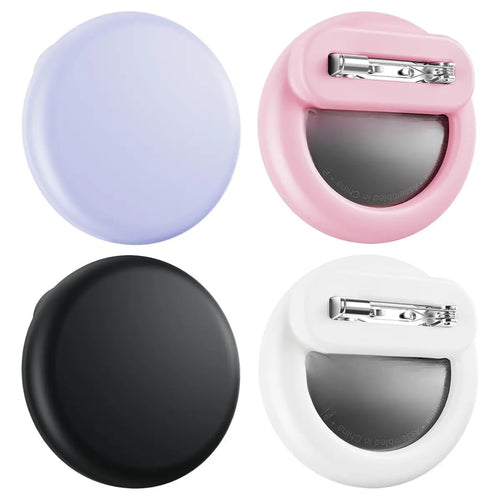



A boat can disappear from a marina, driveway, or storage yard in a matter of minutes. A Bluetooth tracker for boat theft gives you another chance to find it without signing up for an expensive monthly GPS plan. Hidden correctly, it can help turn a stressful theft into a recoverable event - especially when it connects to a large Apple or Android device-location network.
Why a Bluetooth tracker belongs on your boat
Boat theft is not limited to high-end center consoles or cabin cruisers. Smaller fishing boats, personal watercraft, trailers, outboard motors, electronics, and gear are all targets because they can be moved and resold quickly. Even when the boat itself is secured, a thief may take it from a trailer, tow it away from a storage lot, or remove valuable equipment while it is docked.
A Bluetooth tracker adds quiet, concealed protection. It does not replace a lock, insurance, or common-sense marina security. What it does is give you a way to check on a boat that is no longer where it should be and potentially receive location updates after it has been moved.
The most useful modern trackers use encrypted, anonymous location networks. Rather than relying on a cellular plan built into the tracker, they can update their location when compatible smartphones pass nearby. For boat owners, that means no monthly subscription or fees ever, along with a far longer service life than many cellular GPS units require between charges.
There is one important trade-off: Bluetooth network tracking is not the same as live, second-by-second GPS tracking. A tracker needs a nearby compatible phone to report its position. In a busy neighborhood, parking lot, highway, boat ramp, or marina, that can work very well. In a remote cove, isolated storage yard, or offshore location, updates may be delayed until someone with a compatible phone comes within range.
What to look for in a Bluetooth tracker for boat theft
The right tracker should be easy to hide, hard to remove, and built for the environment around your boat. A key-finder style tracker tucked into a cup holder may help with everyday misplacement, but it is not a serious theft-recovery setup.
Start with network compatibility. Apple-only trackers can be effective if everyone in your household uses iPhone, but they leave Android users out. A dual-compatible tracker that works with Apple Find My and Android device-location networks gives more boat owners a practical option and can be easier to manage if family members use different phones.
Battery life matters just as much. Boats may sit for weeks at a time, and some are stored seasonally. Choose a tracker with a battery designed for long-term protection, or pair it with an extended battery case. A long-life accessory can keep a hidden tracker running for years instead of months, which reduces the chance that protection quietly expires before you need it.
For marine use, weather resistance is essential. The tracker should be protected from spray, rain, humidity, heat, and occasional washdowns. Weather resistance does not mean every tracker can be submerged or mounted directly where it will be constantly soaked. Use a protective case and select an installation point that shields it from direct water exposure.
A strong mounting method also changes the equation. For boats on trailers, a discreet magnetic case can be especially useful because it allows placement on concealed metal areas without drilling into the hull. For fiberglass boats, you may need an accessory mount, an interior compartment, or a secure location near existing hardware instead.
Where to hide a boat tracker
The best location is rarely the most obvious one. Avoid consoles, glove boxes, coolers, tackle bags, and storage lockers a thief may open first. Your goal is to place the tracker where it has a reasonable chance of staying with the boat or trailer after a theft, while still allowing the Bluetooth signal to reach nearby devices.
Good placement depends on the boat, trailer, and material around the tracker. Consider these options:
- Inside a protected trailer frame cavity or behind a concealed metal crossmember, using a weather-resistant magnetic case.
- Under a non-obvious interior panel, away from engine heat, bilge water, and easily removed electronics.
- Inside a secured compartment that is not used for life jackets, fishing gear, or regular maintenance items.
- Near fixed trailer hardware or a hidden structural area, rather than on a removable accessory.
Do not attach the tracker to an outboard motor, loose cover, detachable electronics case, or anything a thief can quickly remove. If your main concern is trailer theft, protect the trailer itself. If you worry about the boat being stolen separately at a marina, use a separate tracker for the boat. Two concealed trackers in different locations can be a smarter choice for a high-value setup.
Battery protection for boats that sit idle
A tracker is only useful while it has power. Set a calendar reminder to check battery status before the boating season, before winter storage, and after any long trip. If your boat spends months in covered storage or at a dock, an extended battery case is often the better investment than relying on a small replaceable cell.
For example, FindMyStuff trackers can be paired with purpose-built battery extension cases for long-term concealed protection, including options designed to run for years. That kind of setup suits boats, trailers, RVs, and equipment that may not be checked every week.
Battery choices should match your storage pattern. A boat used every weekend may be easy to maintain with a standard tracker battery. A pontoon stored at a rural lot all winter needs a longer-runtime option, plus a reminder to inspect the tracker before launch season. Extreme heat, cold, and moisture can affect batteries, so protect the tracker from direct exposure whenever possible.
Set realistic expectations for location updates
A Bluetooth tracker is a recovery tool, not a force field. It cannot physically stop someone from cutting a lock or towing a trailer. It also cannot guarantee an immediate location update in every place a stolen boat travels.
Still, its value grows when a thief moves the boat through populated areas. A trailer taken from a driveway may pass homes, gas stations, traffic lights, retail lots, highways, and neighborhoods. Each nearby compatible device can help update the tracker location anonymously. That information can give you a useful lead when filing a police report and can help you avoid searching blindly.
If you receive an unexpected location or separation alert, do not confront a suspected thief. Save screenshots, note the date and time, contact local law enforcement, and provide the tracker location through the proper channels. Recovery is safest when handled by police, especially if the boat is on private property or still attached to a vehicle.
Build a layered boat theft plan
Tracking works best alongside physical deterrents. Use a trailer coupler lock, wheel lock, hitch pin lock, and, where appropriate, a heavy-duty cable or chain secured to an approved anchor point. At a marina, remove portable electronics and valuables, lock compartments, record hull and trailer identification numbers, and keep current photos of the boat, motor, trailer, and distinguishing marks.
A conspicuous lock may make a thief choose another target. A concealed tracker serves a different purpose: it stays out of sight if the first layer fails. The combination gives you prevention and a potential path to recovery.
It is also worth checking your insurance policy before a loss occurs. Know whether the boat, trailer, motor, and accessories are covered together or separately, and store purchase records and serial numbers somewhere other than on the boat.
Common questions from boat owners
Can a Bluetooth tracker work on the water?
Yes, but performance depends on nearby compatible phones. At a crowded marina, launch ramp, waterfront restaurant, or populated shoreline, updates may be frequent. Far offshore or on a quiet lake with few people nearby, updates can be limited. A tracker is most valuable once a stolen boat is transported back through roads, towns, and populated areas.
Should I use Bluetooth tracking or cellular GPS?
It depends on how you use your boat. Cellular GPS can provide more consistent remote updates, but it typically requires recurring service fees and charging or hardwiring. Bluetooth network tracking is a practical fit for owners who want discreet, long-lasting protection with no monthly cost. For a high-value vessel that travels through remote areas often, some owners may choose both.
Will a thief be alerted to the tracker?
Modern anti-stalking protections may alert someone carrying an unknown tracker over time. That is a privacy feature designed to protect people, not a failure of the tracker. Concealed placement, a second tracker, and timely action after a theft can all improve the chance that your device stays with the boat long enough to provide a useful location.
Your boat represents weekends, family time, hard-earned equipment, and a serious investment. Protect it before it goes missing, place the tracker where it can stay hidden, and keep your recovery plan ready long before you ever need it.