


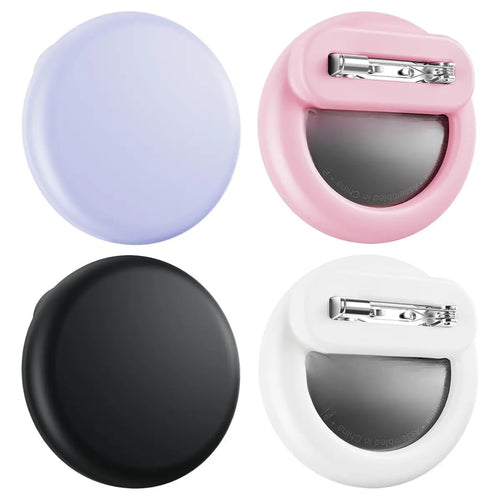



A dead tracker cannot protect a stolen bike, a parked car, or the camera bag you need for work. That is why a long battery life Bluetooth tracker is more than a convenience feature. It is the difference between having protection in place when something goes missing and discovering that the battery failed months earlier.
For everyday valuables, the best tracker is one you can place, conceal, and trust without adding another monthly bill to your budget. But battery claims can be confusing. Some small trackers last around a year, while purpose-built battery cases can run for years. The right choice depends on what you are protecting, where you plan to hide it, and how often you can realistically check or replace a battery.
Why battery life matters for theft protection
A tracker on your keyring is easy to see and easy to service. A tracker hidden beneath a vehicle, inside a trailer compartment, or under a bicycle mount has a different job. It needs to stay powered through rain, heat, cold, daily vibration, and long stretches when you may not think about it at all.
Longer battery life reduces the maintenance that can create a security gap. If your car is parked at an airport for a week, your RV is in storage for a season, or your teenager rides a bike to school every day, you want the tracker ready before a problem happens, not after.
It also makes discreet placement more practical. The most effective theft-recovery tracker is usually not the one in plain sight. A slim tracker in a wallet or bag may only need a standard battery. A weather-resistant tracker with a magnetic battery case can be placed where a thief is unlikely to notice it, while giving you much more time between battery changes.
How a Bluetooth tracker uses battery power
Bluetooth trackers are designed to use very little energy. They periodically send a secure Bluetooth signal that nearby compatible phones can detect. When a participating device passes nearby, the location can be updated in the associated location network and shown in your phone's app.
That is different from a cellular GPS tracker. A cellular unit actively communicates over a paid mobile network, which can provide frequent tracking in many situations but usually requires charging or hardwiring and a recurring subscription. A Bluetooth network tracker relies on nearby devices, so it is not meant to deliver constant turn-by-turn movement updates in remote areas.
For most theft and loss scenarios, that trade-off is worthwhile. You get a compact tracker with long runtime, no cellular plan, and a location update when it comes near compatible phones. In populated areas, on roads, in parking lots, around neighborhoods, and near businesses, that can be a powerful recovery tool.
What determines Bluetooth tracker battery life
The number on the package is only part of the story. Real runtime depends on the tracker design and the conditions around it.
A small button-cell tracker commonly lasts about a year under normal use. That makes it a smart fit for keys, purses, backpacks, wallets, and electronics that you regularly handle. You can replace the battery during a planned yearly check, much like changing smoke detector batteries.
For vehicles and outdoor equipment, the battery enclosure matters just as much as the tracker itself. An extended battery case increases capacity and protects the tracker from the environment. Some long-life accessory setups are designed to provide up to 10 years of runtime, making them a stronger fit for cars, trucks, trailers, boats, tractors, and other equipment that may sit unattended.
Temperature can also affect batteries. Severe winter cold and prolonged summer heat may reduce available power, especially when a tracker is mounted outside a vehicle. Choose a weather-resistant case for exposed locations, and avoid treating an indoor-only tracker as if it were built for the underside of a car or a bike frame.
Finally, alerts and sound features can use additional power. Occasional use is expected, but constant ringing or repeated separation alerts may shorten battery life. The key is choosing settings that help you protect the item without creating unnecessary drain.
Pick the right runtime for what you own
There is no single best battery life for every item. The most practical setup matches the tracker to the asset and your access to it.
Keys, bags, wallets, and everyday electronics
A standard long-lasting Bluetooth tracker is often enough for the things you carry daily. You will notice low-battery alerts, and replacing a battery is simple because the item is already in your hands. Look for loud sound capability, compact sizing, and compatibility with the phone ecosystem your household uses.
Bikes and scooters
Bicycles are frequently stolen quickly, often from public racks or apartment storage areas. A visible tracker can be removed, so discreet mounting matters. Choose a tracker that fits a purpose-built anti-theft mount or can be concealed inside a protected area. If the bike stays outdoors or travels in rain, weather resistance is essential.
Cars, trucks, trailers, RVs, and boats
These assets benefit most from extended runtime. You may not open a trailer for months, and you should not have to crawl beneath a vehicle every few weeks to charge a device. A concealed magnetic, weather-resistant case with a long-life battery gives you more dependable coverage and less maintenance.
For valuable equipment, consider using more than one layer of protection. A hidden tracker supports recovery, while locks, alarms, secure storage, and good parking habits can help deter theft in the first place. Tracking is not a replacement for physical security. It is the backup that can matter when physical security is defeated.
Apple and Android compatibility changes the value
A tracker is only useful if it works with the phones you and your family actually use. Apple Find My trackers work within Apple's network, while Android-compatible trackers can use supported Android and Google device-location networks. Some products are limited to one ecosystem, which can become frustrating when households use both iPhones and Android phones.
Cross-platform support gives you more flexibility when choosing who manages the tracker. It can also make the product more useful over time if you change phones. Before buying, confirm the tracker supports your device and understand whether its setup is designed for Apple, Android, or both.
FindMyStuff is built for customers who want this flexibility alongside subscription-free ownership, including tracker options for everyday items and durable accessories for concealed vehicle placement. The goal is straightforward: keep track of what matters without paying a monthly fee for the life of the product.
Do not confuse long battery life with guaranteed live tracking
Battery longevity is valuable, but honest expectations matter. Bluetooth location networks work best where compatible phones are nearby. A vehicle moving through a busy city may generate location updates more often than a boat stored at a remote marina or a trailer parked far from people.
No Bluetooth tracker can guarantee instant location updates everywhere. If you need continuous fleet dispatch data, live route history, or coverage in isolated areas, a cellular GPS system may be the better tool, even with its recurring fees. If your priority is affordable theft recovery and everyday peace of mind, a long-life Bluetooth tracker is often the better ownership value.
Privacy protections matter, too. Reputable device-location networks use encrypted, anonymous location reporting. They also include unwanted-tracking safeguards intended to alert people when an unfamiliar tracker appears to be traveling with them. Use trackers only on property you own or have clear permission to track.
A simple setup that stays useful
Once your tracker is connected, give it a clear name such as “Blue Trek Bike,” “Utility Trailer,” or “Camera Bag.” Confirm you can see it in your location app before hiding or mounting it. Then record the battery type, installation date, and expected replacement date somewhere you will actually check.
For an extended battery case, inspect the mount and enclosure periodically for debris, damage, or loose hardware. For a standard tracker, replace the battery before it reaches the end of its stated life instead of waiting for a low-battery warning during a busy week.
The best protection is the protection you will maintain. Choose a tracker with enough battery life for the place you put it, secure it where it is hard to find, and let it quietly stand watch over the belongings you worked hard to own.