


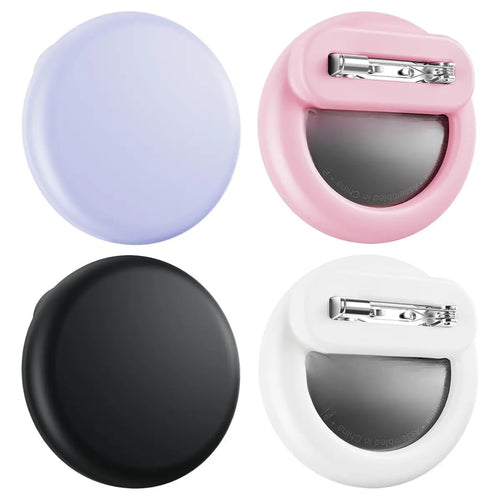



A camera bag can disappear in the few minutes between unloading your car and checking into a hotel. A lens pouch can get left under an airport seat. And when thousands of dollars in bodies, lenses, cards, lights, and audio gear move with you, one missing piece can derail a shoot fast. A camera equipment Bluetooth tracker gives you a practical way to keep a digital connection to the gear you depend on, without adding another monthly bill.
The right tracker will not replace careful packing, insurance, or common-sense security. It does give you a better chance of finding misplaced gear quickly and a stronger recovery tool if a bag or case is taken. For photographers, videographers, creators, and working professionals, that peace of mind is worth building into every kit.
What a camera equipment Bluetooth tracker actually does
Bluetooth trackers are small devices that pair with a smartphone location network. When your tracker is near your phone, you can often make it play a sound and see its nearby location. When it is farther away, compatible phones moving nearby can securely and anonymously update its location in the network.
That distinction matters. A Bluetooth tracker is not a cellular GPS device that reports a live route every second. It cannot guarantee continuous, real-time tracking in a remote area with no participating phones nearby. But for the places camera gear is commonly lost or stolen - airports, hotels, parking lots, event venues, coffee shops, city streets, and transit stations - a broad phone-location network can be a highly useful recovery layer.
For most camera owners, the best value is simple: buy the tracker once, pair it with your phone, and avoid recurring subscription charges. FindMyStuff trackers are built around that approach, with iOS and Android compatibility designed to protect the belongings that move through your everyday life.
Where to place trackers on camera gear
Do not rely on one tracker attached to the outside of a camera bag. A visible tracker may be easy for a thief to spot and remove, and a single tracker only protects the item it is attached to. The smarter approach is to spread protection across the items that would hurt most to lose.
Put one tracker in a concealed interior pocket of your primary camera bag or hard case. Add another to a lens case, lighting case, drone case, or equipment cart if those items regularly travel separately. For a compact setup, a tracker can also fit in a small accessory pouch with batteries, chargers, memory card cases, and wireless microphones.
Your main camera body is not always the best placement. Cameras have limited mounting space, and an exposed tracker can get in the way, draw attention, or be removed. A protected pocket inside the bag is usually more discreet. If your camera has a dedicated protective cage, storage compartment, or secure accessory mount, make sure a tracker will not interfere with controls, heat ventilation, battery doors, or tripod use.
Protect the items that tend to separate
Think through your actual shooting routine. If you leave a roller case by the door while carrying a shoulder bag into a venue, those two pieces need separate protection. If an assistant carries lights while you carry camera bodies, place a tracker in each case. If you rent gear, keep a tracker with your personal accessories rather than attaching it to rental equipment without permission.
This is also useful for travel. A tracker in checked camera luggage can help confirm whether your case made it to the baggage area. A second tracker in your carry-on camera bag helps you find it if it gets set down at a gate or left in an overhead compartment.
Features that matter before you buy
The smallest tracker is not automatically the best camera equipment Bluetooth tracker. Camera gear is expensive, often used outdoors, and frequently stored in cases that go from hot cars to rainy loading docks. Prioritize reliability over novelty.
Start with phone compatibility. If you use an iPhone, choose a tracker that works with Apple Find My. If your household, crew, or business uses Android phones, look for Android or Google device-location network support. Cross-platform compatibility gives you more flexibility when devices change and makes it easier for multiple people to manage protected equipment.
Battery life is the next major decision. Replaceable batteries can be convenient for compact trackers, but only if you are willing to keep up with replacements. Long-life battery cases and extended-power accessories can be a better fit for hidden gear protection, especially for cases, vehicles, trailers, and equipment that sits for long periods. The less often you need to open a hidden setup, the more likely it is to remain protected.
Consider these practical features as you compare options:
- No monthly fees: A one-time hardware purchase keeps the cost of protecting multiple bags and cases manageable.
- Weather resistance: Useful for outdoor kits, vehicle storage, light stands, and cases that move through rain or dust.
- Concealed mounting options: A tracker is more useful when it can be secured inside a case rather than loosely tossed into a pocket.
- Separation alerts: Alerts can remind you when you leave a bag or case behind, depending on your phone and tracker settings.
- Sound function: Helpful for finding a bag in your home studio, vehicle, hotel room, or equipment closet.
Bluetooth tracker versus GPS tracker for camera equipment
A GPS tracker can make sense when you need more active tracking for a moving vehicle, trailer, or mobile production setup. These systems usually use cellular service, which means a monthly subscription, signal limitations in some locations, and a larger device or external power requirement.
A Bluetooth tracker is usually the better first line of protection for individual camera bags, cases, and accessories. It is smaller, easier to hide, and does not require you to keep paying to use it. It works especially well for locating gear that is misplaced nearby or moved through places where other smartphones can help update its position.
It depends on what you are protecting. A wedding photographer who carries two camera bags through busy venues may benefit most from Bluetooth trackers in each bag. A production company transporting a gear trailer may use a tracker in individual cases and a more active location solution for the trailer itself. Layered protection is often the most sensible answer when the replacement cost is high.
Set up your tracker before the next shoot
Pair your tracker at home, not in the parking lot before a job. Confirm it appears in the correct location app, give it a clear name such as “Black Lens Case” or “Main Camera Roller,” and test the sound feature. If you have several identical bags, specific names prevent confusion when you are tired after a long shoot.
Then test your habits. Walk outside with your bag and see when your phone gives a separation notification. Check that location permissions and Bluetooth are enabled. Review battery status before major travel, multi-day events, or outdoor shoots.
Keep serial numbers, receipts, and photos of your gear in a separate secure record as well. A tracker improves your ability to locate a missing item, while documentation helps identify and report it if recovery involves airline staff, venue security, police, or insurance.
Use location information safely after theft
If a tracker shows that stolen camera gear is at a specific address, do not try to recover it alone. Take screenshots of the location history, your gear documentation, and the tracker details. Contact local law enforcement and provide the information they request.
Location updates are helpful leads, not an invitation to confront someone. Protecting your gear should never put your personal safety at risk. The goal is to give authorities and security teams more information while keeping you out of harm’s way.
A small safeguard for the gear that earns its keep
Camera equipment is more than a collection of expensive devices. It is your work, your travel memories, your client files, and the tools you reach for when the moment will not happen twice. A thoughtfully placed Bluetooth tracker will not prevent every loss, but it can turn a frantic search into a clear next step - and help keep track of what matters most.