


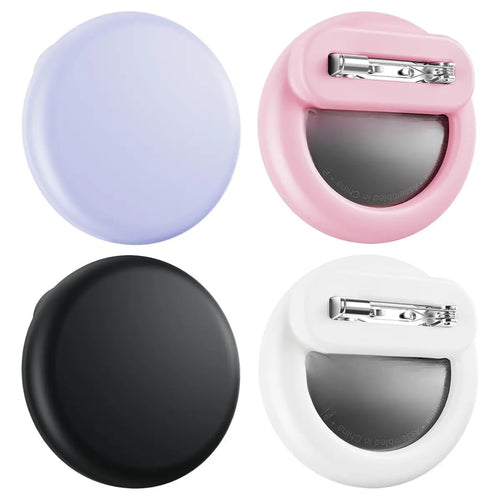



A stolen bike can be gone in seconds. A misplaced camera bag can derail a trip. And when a teen driver stops answering texts, knowing where the car was last seen can bring real peace of mind. A cross platform tracker gives more households a practical way to protect the things they depend on, without forcing everyone in the family onto the same type of phone.
The right tracker should not become another bill, another complicated app, or another device that only works for one person. It should be easy to hide, simple to check from a smartphone, and ready when something goes missing. That is the appeal of modern network-based tracking: protection that fits everyday life.
What a Cross Platform Tracker Actually Does
A cross platform tracker is designed to work with both major mobile ecosystems, so iPhone and Android users can locate protected belongings from their own compatible device networks. That matters when a household uses different phones, when you upgrade from one platform to another, or when you are buying protection for a family member.
Most affordable everyday trackers use Bluetooth plus a large, crowd-powered location network. The tracker sends a secure Bluetooth signal. When compatible phones nearby detect that signal, they can anonymously update the tracker's approximate location in the owner's app. You are not relying on a cellular plan built into the tracker, which is why these devices can avoid monthly service charges.
That distinction is worth understanding. A cellular GPS unit can report locations in more remote places because it communicates over a paid cellular connection. It may be the better fit for live fleet dispatching, constant route history, or professional vehicle management. But it also usually means a subscription, regular charging, and a more involved installation.
For theft protection, recovery support, and locating everyday valuables, a Bluetooth network tracker is often the smarter ownership choice. It can be compact, discreet, and far less expensive to keep over time.
Why Cross-Platform Compatibility Matters
An Apple-only tracker can be limiting from the moment it leaves the box. It may work well for an iPhone owner, but it does not solve the problem for an Android-using spouse, a college student with a different phone, or a family switching devices later.
Cross-platform support gives you flexibility. You can protect a car today, move the tracker to a bike next season, or hand it to a family member without rebuilding your security plan around a specific phone brand. For households with mixed devices, that flexibility is not a bonus feature. It is the point.
There is a practical benefit after a theft or loss, too. The more compatible devices participating in location networks around your tracker, the better your chance of receiving a useful location update in populated areas. A tracker is not a magic recovery tool, and updates depend on nearby compatible devices. Still, a broad network can turn a stressful unknown into a clear next step: check the location, document it, and contact law enforcement when appropriate.
Before buying, confirm the exact tracker model supports the Apple Find My network, the Android or Google device-location network, or both. Compatibility details can vary by model, phone software, and region. A true cross-platform option should make those requirements clear rather than burying them in fine print.
Where a Tracker Delivers the Most Value
The best placement is not always the most obvious one. A tracker attached to a key ring is useful for everyday misplacement. A weather-resistant tracker hidden inside a magnetic case can provide a more discreet layer of protection for vehicles and outdoor equipment.
Cars are a natural use case. Place a tracker somewhere concealed, secure, and away from heat-sensitive or moving components. If a vehicle is stolen, the goal is not to confront anyone yourself. It is to provide a credible last-known or updated location to police and protect yourself from the cost and disruption of a total loss.
Bikes benefit from a different approach. A visible tracker can be removed quickly, so purpose-built mounts that fit under a bottle cage, inside a frame area, or in another less obvious location can make a real difference. Choose a mount that is secure enough for rough roads and discreet enough not to advertise what it is.
Travelers can place trackers in checked luggage, camera cases, backpacks, and equipment bags. Parents may use one for a teen driver's vehicle, while contractors may protect high-value tools, trailers, or work equipment. Boats, RVs, tractors, and utility trailers can also benefit from a protected tracker with a long-life battery setup.
In each case, the tracker is most valuable before you need it. Install it, test it, name it clearly in the app, and make sure it is still reporting before a trip or a busy season.
Choosing the Right Cross Platform Tracker
A low sticker price does not always equal a lower cost of ownership. Some tracking systems look affordable until a monthly subscription starts adding up. Others require frequent charging, which creates a simple but serious risk: the tracker is dead when you need it most.
Look beyond the basic tracking feature and evaluate how the device will live with the item you are protecting. Four details make the biggest difference:
- Network compatibility: Choose a tracker that fits the phones used in your household, including future upgrades or mixed iPhone and Android use.
- Battery life: Longer battery life means fewer maintenance gaps. An extended battery case can be especially useful for a car, trailer, boat, or equipment that is checked less often.
- Mounting and concealment: Magnetic cases, bike-specific mounts, protective covers, and wallet-style designs help match the tracker to the asset instead of forcing one setup everywhere.
- Weather resistance: Outdoor gear needs protection from rain, dust, road spray, and changing temperatures. A durable case matters as much as the tracker inside it.
Setup That Keeps Protection Simple
A good tracker should take minutes, not an afternoon. Start by pairing it to the appropriate app while you are at home with a reliable phone connection. Give it a name that tells you exactly what it protects, such as “Blue Road Bike,” “Camera Bag,” or “Trailer.” Generic names make a stressful search harder than it needs to be.
Next, test the tracker before you conceal it. Confirm that the app shows it, review the last-known location behavior, and learn how sound alerts or lost-item notifications work on your phone. If you are using an accessory case, make sure the tracker is secured properly and that the case is firmly mounted.
For vehicles and outdoor assets, set a reminder to inspect the setup periodically. Check that the case remains attached, the tracker still appears in the app, and the battery has not reached its replacement point. Long battery life reduces maintenance, but it does not eliminate the need for a quick check.
FindMyStuff is built around this kind of everyday readiness: dual Apple and Android compatibility, discreet protection options, and no monthly subscription or fees ever. The goal is simple - keep track of what matters without paying forever for the privilege.
A Tracker Is Protection, Not a Replacement for Smart Security
A cross-platform tracker is strongest as one layer in a wider protection plan. Lock your bike with a quality lock. Keep vehicle keys secure. Photograph serial numbers and save receipts for valuable equipment. Use a hitch lock or wheel lock for trailers when appropriate. A tracker helps you act quickly after a loss, but physical deterrents can reduce the chance of theft in the first place.
If an item is stolen and you receive a location update, prioritize safety. Take screenshots, record the time, and share the information with law enforcement. Do not attempt a recovery on your own or enter private property. Location information can be a powerful tool, but the right next move is always the safe one.
The most useful tracker is the one you can afford to keep active, place where it matters, and trust across the phones your family already uses. Put that protection in place before the next commute, road trip, or busy weekend - because the best time to find your stuff is before it has a chance to disappear.