


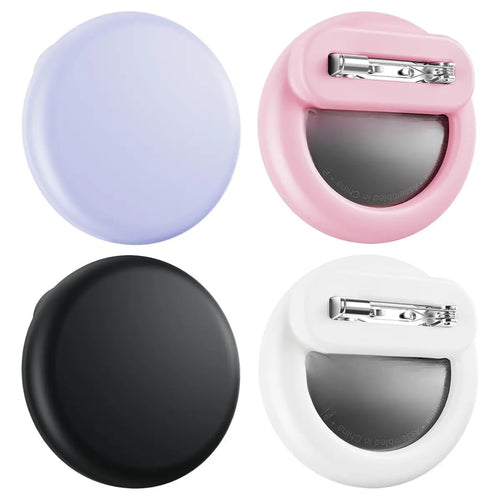



A stolen car creates more than a replacement-cost problem. It can mean missed work, a stranded family, a police report, an insurance claim, and the sinking feeling that something you rely on is suddenly gone. A subscription free car tracker gives drivers another layer of protection without adding a monthly charge to the cost of owning a vehicle.
The right option is not necessarily the tracker that promises the most features. It is the one that fits how you use your car, where you park it, which phone you carry, and how quickly you need to act if something goes missing. For many drivers, a discreet, weather-resistant tracker that uses a trusted location network is a practical answer: buy the hardware once, hide it well, and check its location from your phone when you need it.
What a Subscription Free Car Tracker Actually Does
Most no-fee vehicle trackers work through Bluetooth and crowdsourced device-location networks rather than a cellular service plan. The tracker sends out a secure Bluetooth signal. When a compatible nearby phone detects that signal, the device network updates the tracker's approximate location in an app.
That distinction matters. A cellular GPS unit usually has its own mobile-data connection, which is why it often requires a monthly subscription. A network-based tracker uses the large number of smartphones already moving through neighborhoods, parking lots, roads, and public spaces. No cellular plan for the tracker means no recurring tracking bill.
For a parked commuter car, a family vehicle, a motorcycle stored near other homes, or a trailer sitting in a lot, that can be a very effective layer of theft recovery protection. It can also help you remember where you parked at an airport, stadium, hospital, or unfamiliar downtown garage.
A tracker is not a replacement for locking your car, using an alarm, or keeping valuables out of sight. Think of it as a quiet recovery tool that stays with the vehicle when the unexpected happens.
The Trade-Off: Network Tracking vs. Cellular GPS
No tracker type is perfect for every situation. Honest protection starts with understanding what you are buying.
A cellular GPS tracker can provide frequent updates, including in less-populated areas, as long as it has power and mobile coverage. That may be the better fit for a commercial fleet, a vehicle that travels through remote areas, or a situation where continuous movement history is essential. The trade-off is ongoing service fees, a more involved installation, and sometimes a more visible device.
A subscription-free tracker is designed for simplicity and long-term value. Its location updates depend on compatible phones passing nearby. In a busy city, suburban neighborhood, parking garage, or public roadway, updates may be frequent. In a remote field, closed storage unit, or isolated rural area, an update may take longer.
That does not make a no-fee tracker less useful. It makes placement and expectations important. If your goal is to help locate a stolen vehicle or confirm where it was last seen, a device-location network can offer meaningful peace of mind without turning protection into another monthly expense.
What to Look for in a Subscription Free Car Tracker
The difference between a tracker you trust and one you forget about usually comes down to a few practical details.
Compatibility with your phone
Start with the location network you already use. Apple users may want a tracker that works with Apple Find My. Android users should look for support with Android or Google device-location networks. If your household uses both iPhones and Android phones, dual-platform compatibility gives you more flexibility and helps prevent one person from being locked out of checking a vehicle's location.
Do not assume every Bluetooth tracker works the same way. Check the supported phone operating systems, the app experience, and whether location sharing is available for the people who need access.
A hidden, secure mounting option
A tracker sitting loose in a glove box is easy to find and easy to remove. For vehicle protection, concealment matters. A strong magnetic mount or purpose-built hidden mounting accessory can place the tracker beneath a vehicle or in a protected area where it is less obvious to a thief.
Choose a mount designed to stay put through road vibration, rain, dust, and temperature changes. The goal is not to make the car look modified. It is to create a dependable, low-profile safeguard that is there when you need it.
Weather resistance
Outside placement can be the most discreet option, but only if the tracker and its case are built for it. Look for weather-resistant construction and a protective enclosure that guards against water, road grime, and debris.
A weather-resistant case also gives you more placement choices. That can be helpful for cars, trucks, motorcycles, RVs, trailers, boats, and work equipment that spend time outdoors.
Battery life that matches the job
Battery life is one of the biggest reasons people stop using a tracker. A device is only useful if it is still powered when your vehicle needs protection.
For an everyday car, a replaceable battery may be enough when you are comfortable checking it periodically. For a trailer, seasonal vehicle, boat, or equipment stored for long stretches, an extended battery case can make more sense. Some battery accessories are designed to provide years of runtime, reducing the need to retrieve and service a hidden tracker every few months.
Long battery life is not just convenient. It helps preserve the protection you paid for.
Privacy and unwanted-tracking safeguards
A legitimate tracker should support privacy protections, including alerts intended to discourage unwanted tracking. Device-location networks are designed to use encrypted, anonymous location reporting rather than broadcasting your personal information to every nearby phone.
Use a tracker only on vehicles and property you own or have permission to protect. For a shared family car, have a direct conversation about why it is there and who can view its location. Protection works best when it is paired with trust and clear boundaries.
Smart Places to Use Vehicle Tracking
A car tracker can protect more than the vehicle in your driveway. It is especially useful where theft or misplacement would disrupt your life and cost real money.
Parents may use one to help locate a teen driver's car after a breakdown or when a vehicle is overdue. Commuters can use it as a backup for crowded park-and-ride lots. Travelers can check the location of a car left at a long-term airport lot. Owners of classic cars, motorcycles, RVs, trailers, boats, and work trucks can add discreet protection to assets that may sit unattended for days or weeks.
For contractors and small business owners, the same approach can help protect a utility trailer or equipment transport vehicle. It is not fleet-management software, and it should not be marketed as one. But it can be a straightforward, affordable recovery tool for high-value property that would be difficult to replace quickly.
How to Set Up a Car Tracker for Better Recovery Odds
Setup should take minutes, not an afternoon. First, pair the tracker with the supported location network on your phone while you are at home. Confirm that it appears correctly in the app, rename it clearly, and review notification settings.
Next, test it before mounting. Walk away from the tracker, check that your phone can find it nearby, and make sure its location appears as expected. If you plan to use an extended battery case or magnetic enclosure, install it exactly as directed and confirm that it remains secure.
Then choose a placement that balances concealment with signal access. Avoid locations close to moving mechanical parts, high-heat components, or areas likely to be struck by debris. Keep it away from places where it could interfere with vehicle operation. If you are uncertain about a mounting spot, use an interior concealed location or ask a qualified installer for advice.
Finally, create a simple habit. Check the battery status on a schedule, especially before travel or a long storage period. Keep the tracking app updated. If the vehicle is stolen, use the last known location and updates to support a police report. Do not confront a suspected thief or attempt to recover the vehicle yourself.
Why One-Time Ownership Matters
A low monthly fee can feel harmless until it becomes another bill that continues year after year. With a subscription tracker, you may pay for service long after the initial device cost, even if you only check the location a few times.
A one-time-purchase tracker changes that equation. You can put protection on the car, trailer, bike rack, luggage, or other valuable gear without deciding whether each item deserves its own subscription. That makes it easier to protect the things that matter most, not just the assets with room in the monthly budget.
FindMyStuff is built around that simple idea: durable, discreet tracking protection with no monthly subscription or fees ever. With compatible iOS and Android location networks, weather-resistant vehicle placement options, and extended battery accessories, it is designed for drivers who want practical security without a contract attached.
The best time to set up a tracker is when your car is safely where it belongs. Give yourself that extra point of reference now, so if a stressful moment arrives later, you have a calm, useful next step ready in your phone.