




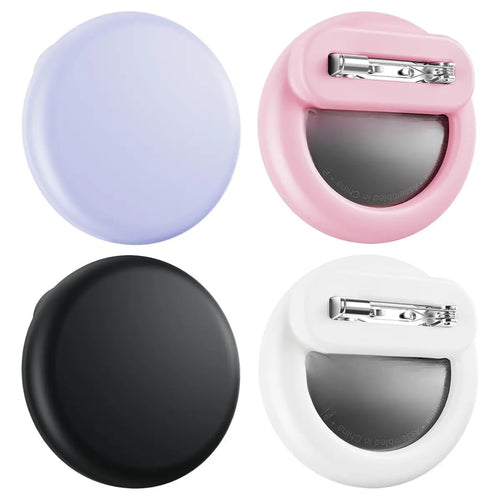



A wallet usually disappears at the worst possible moment: at the checkout counter, in a rideshare, or halfway through a trip when your ID and payment cards are inside. An anti theft wallet tracker card gives that everyday essential a practical backup plan. It sits flat in your wallet and connects to your phone, so you can check its last known location, make it ring when it is nearby, and get an alert before you leave it behind.
That does not make a tracker card a magic shield against theft. What it does provide is faster awareness and a better chance of recovery, without adding a bulky key finder to your pocket or another monthly bill to your budget.
What an Anti Theft Wallet Tracker Card Does
A wallet tracker card is a thin Bluetooth tracker shaped to fit a card slot. Most are close to the footprint of a credit card, though they are thicker than a standard bank card. Once paired with a compatible location network on your iPhone or Android phone, the card can help you locate your wallet in a few useful ways.
If the wallet is under a couch cushion, in a jacket pocket, or somewhere else nearby, you can trigger a sound from your phone and follow it. If it is farther away, the app can show its last known location. Network-enabled cards can also update their location when they pass near participating phones, using encrypted and anonymous location reporting rather than a cellular plan.
That last point matters. A tracker card is usually not a live GPS device with constant location updates. It relies on Bluetooth and the surrounding device network. In a busy airport, shopping center, hotel, or city neighborhood, that can be extremely useful. In an isolated area with few nearby phones, updates may be slower or unavailable until the card comes back within range of the network.
Why Wallet Cards Are Better Than Keyring Trackers
A traditional key tracker is designed to hang from a ring. Put one in a wallet and it creates a lump, stretches the pocket, and makes the wallet less comfortable to carry. A card tracker solves the fit problem by keeping the technology flat and discreet.
For slim-wallet users, this is the difference between a tracker that stays in place and one that ends up in a drawer. It is also easier to keep a card tracker hidden. Someone who picks up or steals a wallet may not immediately notice a thin tracker placed behind a less-used card or in a dedicated interior slot.
The anti-theft value starts with speed. A separation alert can tell you that you have left your wallet behind before you drive across town. If the wallet is taken, location updates can provide useful information to share with law enforcement. Do not confront a suspected thief yourself. Your safety comes first, and a tracker is most valuable when it helps you make a clear, informed next move.
Features That Actually Matter
Not every anti theft wallet tracker card delivers the same daily protection. Focus on the features that change how reliably and comfortably you can use it.
Phone network compatibility
Start with your phone. Some tracker cards work only with Apple Find My, while others are designed for Android location networks. If your household uses both iPhones and Android phones, compatibility is more than a technical detail. It determines who can view the wallet's location and who can receive alerts.
FindMyStuff is built around broad Apple and Android compatibility, giving customers a practical alternative to carrying an Apple-only tracker. Before buying any card, confirm that its specific model supports your device and the location network you expect to use.
Separation alerts and audible finding
A map pin is helpful after the fact. A separation alert can prevent the problem in the first place. Look for a card that alerts you when your phone and wallet become separated, then adjust the alert settings to suit your routine. If you share an office or regularly leave your wallet in a car parked close by, overly sensitive alerts can become annoying.
A loud built-in ringer is equally useful for the most common losses: the wallet is still at home, but not where you thought. Sound turns a 20-minute search into a quick check of the laundry basket, nightstand, or coat pocket.
Battery design and replacement plan
Thinness comes with a trade-off. Many wallet tracker cards are sealed and rechargeable, while others have a non-replaceable battery designed to last for a set period. Rechargeable models reduce waste and can be a strong long-term value, but only if you remember to charge them before the battery runs low.
Check how the card charges, how long a charge is expected to last, and whether it can remain in the wallet while charging. A tracker that needs frequent removal is less likely to stay protected when you need it most.
Wallet fit and durability
Measure expectations, not just dimensions. A tracker card should fit a standard card slot, but adding it to an already overfilled bi-fold may make the wallet uncomfortable. It works best in a slot that is secure but easy to remove when charging is needed.
Choose durable construction that can handle heat, daily flexing, and the occasional spill. A wallet lives close to your body, rides in cars, goes through crowded venues, and gets sat on. Thin does not need to mean fragile.
How to Set Up Your Wallet Tracker Card
Setup should take only a few minutes. Charge the card first if it is rechargeable, then activate pairing according to the product instructions. Add it to the compatible tracking app while your phone has Bluetooth and location services turned on.
Give it a clear name such as “Black Wallet” rather than leaving a generic device label. Turn on separation notifications, then test the sound and map function before you depend on them. Finally, place it in a protected card slot, ideally behind a card you rarely use. This keeps it discreet while avoiding contact with any cards that need to be tapped frequently.
If you carry contactless payment cards, test your wallet after inserting the tracker. Most card trackers are designed for wallet use, but wallet materials, card placement, and NFC readers can vary. Moving the tracker to a different slot is often all it takes to restore a reliable tap-to-pay experience.
Tracker Card vs. GPS Wallet Tracking
People often search for GPS wallet protection when what they really need is a slim, subscription-free recovery tool. The two technologies serve different jobs.
A cellular GPS tracker can report location more independently, but it needs more power, takes up more space, and commonly comes with recurring service fees. That makes sense for a car, trailer, boat, or equipment that has room for a larger device and needs longer-range tracking.
A Bluetooth wallet tracker card is the better fit for an item you carry every day. It is slim, private by design, and usually does not require a subscription. The trade-off is that out-of-range updates depend on nearby phones in the network. For most wallets lost in public places, that is a reasonable trade for comfort and no monthly fees ever.
Smart Habits That Make a Tracker More Effective
A tracker is strongest when it supports a few simple habits. Keep a photo or secure record of the cards in your wallet so you know what to cancel if it is not recovered. Enable phone lock-screen protections and use digital payment options when practical, so fewer physical cards need to travel with you.
When you get a separation alert, act quickly. Check the last known location while details are fresh, call the store or restaurant if you may have left it there, and lock or freeze payment cards through your banking app if theft is possible. A fast response can prevent unauthorized charges and turn a stressful loss into a short detour.
Your wallet carries access to much more than cash. A slim tracker card gives you one more way to protect the items that keep your day moving, while helping you react before a missing wallet becomes a much bigger problem.