


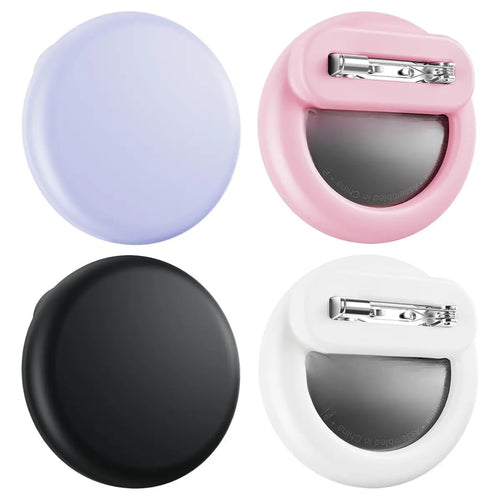



A stolen bike can be gone in the minute it takes to grab a coffee, walk into class, or carry groceries upstairs. A bike tracker with hidden mount gives you a quiet second line of protection: location help that is hard for a thief to spot, remove, or discard before you have a chance to act.
The hidden part matters as much as the tracker itself. A tracker sitting in a visible holder can be found in seconds. One secured inside a purpose-built mount or tucked into a less obvious part of the bike is far more likely to stay with the bike during the critical first hours after a theft. It is practical protection for commuters, weekend riders, e-bike owners, parents buying a first serious bike for a teen, and anyone who would rather avoid a costly replacement.
What a Bike Tracker With Hidden Mount Actually Does
Most compact bike trackers use Bluetooth and a crowdsourced device-location network rather than a cellular plan. When the tracker is near compatible phones in the network, its approximate location can be updated in a smartphone app. That means you can check the last known location, receive separation or left-behind alerts when available, and get location updates as the bike moves through areas with nearby devices.
This approach has a major advantage: no monthly subscription or fees ever. You buy the tracker and mount once, then use the supported Apple or Android location network without paying a cellular tracking bill every month.
There is a trade-off. Bluetooth network trackers are not live, second-by-second GPS units with their own cellular connection. Their updates depend on nearby participating devices. In a busy neighborhood, transit station, apartment area, campus, or city street, that can make them highly useful. In a remote trailhead, empty warehouse district, or rural storage area, updates may be less frequent.
For most bicycle owners, that is a sensible balance. The goal is not to watch every pedal stroke. The goal is to know when your bike is no longer where it should be and have a better chance of locating it before it disappears for good.
Why a Hidden Mount Is Better Than a Visible Tracker
A visible tracker can still help with everyday loss. If you forget where you parked your bike at a festival or leave it at a friend's house, even an obvious tracker can point you in the right direction. Theft recovery is different. A thief who sees a tracker knows exactly what to remove.
A hidden bike mount changes that equation. It keeps the tracker close to the bike while avoiding the obvious shapes, colors, and placement spots a thief may check first. The best mounts also protect the tracker from road spray, vibration, heat, and casual tampering.
Discretion should not mean poor signal performance. Metal can interfere with Bluetooth signal strength, especially if a tracker is fully enclosed by thick steel. Choose a mount designed for bicycle use and avoid placing the tracker deep inside a metal frame cavity unless the manufacturer specifically confirms that placement works. A purpose-built anti-bicycle-theft mount is usually the safer choice because it balances concealment, retention, and connectivity.
Where to Hide a Bike Tracker
The best location depends on your bike, riding conditions, and how much concealment you need. The tracker should be difficult to notice but still able to communicate with nearby phones. It should also be protected from direct impacts and excessive water.
A mount beneath a bottle cage is a popular option because it looks like ordinary bike hardware. It is easy to access for battery service, yet it is not the first place many people inspect. A secure mount with tamper-resistant fasteners adds another layer of delay for anyone trying to remove it.
Other riders prefer a mount beneath the saddle, inside a rear reflector-style housing, or within an accessory enclosure. These can work well when the product is made for that location. Avoid loose placement inside a saddlebag, tool pouch, or handlebar bag. Those accessories are convenient to steal and easy to toss.
For e-bikes, think beyond the frame. Large batteries, motor housings, and integrated cable routes create opportunities for discreet placement, but they also introduce more metal and electronics. Test the tracker connection from your phone after installation. If the signal is unreliable, move it to a more open location before trusting it as your theft-recovery plan.
What to Look for Before You Buy
Not every tracker and mount combination is ready for bike duty. A low-cost tracker may look appealing until its battery dies quickly, its housing cracks in rain, or it works only with one phone ecosystem in a household that uses both iPhone and Android.
Prioritize these features when comparing options:
- Apple and Android compatibility: A dual-platform tracker is more flexible for families, shared bikes, and future phone changes. Confirm which location networks the specific model supports.
- A true hidden mounting solution: Look for a mount that is designed to blend into bike hardware, stay secure over rough roads, and resist easy removal.
- Weather resistance: Bikes sit in rain, snow, road grime, and summer heat. The tracker and its case should be built for outdoor use.
- Long battery life: A tracker only protects your bike while it has power. Long-life batteries or an extended battery case reduce the risk of discovering a dead tracker after a theft.
- Encrypted anonymous location reporting: Your location data should be handled through privacy-focused device networks, not exposed to strangers following the tracker.
- Useful alerts: Separation notifications and location history features can help you notice a problem sooner, before a bike travels far.
Installation Matters More Than Most Riders Expect
A hidden mount is only effective if it stays hidden and stays attached. Before tightening anything, clean the mounting area and check that cables, brake lines, suspension movement, pedals, and wheel rotation will not rub against the tracker or case. On a full-suspension bike, compress the suspension by hand to make sure the mount has clearance through its full travel.
Use the hardware supplied with the mount, especially if it includes security screws or a specialty tool. Standard bolts are easier to remove with common tools. Do not overtighten fasteners on carbon frames or delicate components. If you are unsure, have a local bike shop install it safely.
Once installed, pair the tracker, name it clearly, and test it from another location. Confirm that you can see its location in the app and that alerts are enabled. Make a calendar reminder to check battery status every few months. This takes less than a minute and prevents a small maintenance task from becoming a major regret.
A Tracker Is Not a Replacement for a Good Lock
The strongest setup combines layers. Your lock prevents opportunistic theft. Smart parking reduces exposure. A hidden tracker improves the odds of recovery if those first defenses fail.
Use a quality U-lock or heavy-duty chain through the frame and, when possible, the rear wheel. Secure the bike to a fixed object that cannot be lifted or cut apart easily. For quick stops, take removable lights, computers, and bags with you. For longer stops, choose a well-lit place with pedestrian traffic or monitored bike parking.
If your bike is stolen, do not confront someone yourself. Save screenshots of the location, your bike's serial number, purchase records, and identifying photos. Share that information with local law enforcement and follow their direction. A tracker can provide a valuable lead, but personal safety comes first.
Is a Hidden Bike Tracker Worth It?
For a low-value bike that never leaves a locked garage, it may be more protection than you need. For an e-bike, commuter bike, cargo bike, road bike, or any ride you depend on, the calculation changes quickly. Replacing a bike can cost hundreds or thousands of dollars, disrupt your routine, and leave you dealing with reports, claims, and lost time.
A bike tracker with hidden mount will not make a bicycle impossible to steal. What it does is make your bike harder to separate from its recovery tool, without advertising that protection to everyone who walks by. Choose a weather-resistant tracker, mount it where it is discreet but functional, test it regularly, and keep using a serious lock. That small preparation can help you keep track of what matters when your bike is out of sight.