


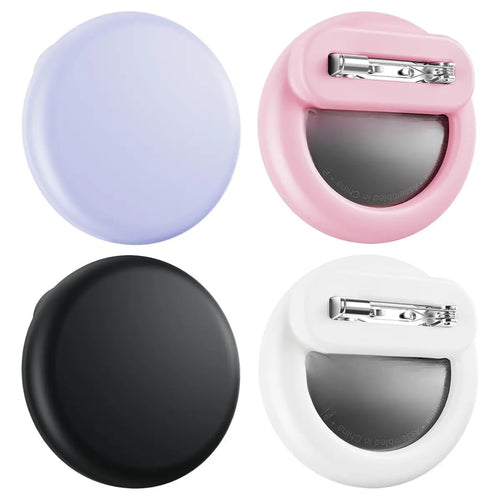



A tracker only helps protect what matters if it stays where you put it. A weatherproof tracker case gives your location tracker the protection it needs outside your car, under a trailer, on a bike, or inside the gear that goes wherever life takes you. It shields the tracker from rain, road spray, dust, mud, and unwanted attention while helping you keep it discreetly in place.
For drivers, travelers, parents, and anyone protecting expensive equipment, the case is not an afterthought. It is what turns a small Bluetooth tracker into a dependable layer of theft protection.
Why a Weatherproof Tracker Case Matters
Vehicle exteriors are hard on electronics. Water is only part of the problem. A tracker mounted underneath a car or trailer may encounter salt, gravel, dirt, vibration, heat, freezing temperatures, and pressure from high-speed road spray. A loose tracker can also fall away long before you need it most.
A purpose-built case addresses those risks. It creates a barrier around the tracker, helps keep its battery compartment protected, and gives you a secure way to mount it where it is less likely to be seen. For many vehicle owners, that concealed placement is the point. A visible tracker may be removed in seconds. A well-placed protected tracker gives you a better chance of receiving a location update when a stolen vehicle, bike, or trailer starts moving.
Weather resistance also matters for property that spends its life outdoors. Think utility trailers parked in the driveway, boats at the marina, work equipment at a job site, e-bikes locked outside a store, or luggage moving through wet airport loading areas. These are not controlled indoor environments, and the accessories protecting your tracker should be chosen accordingly.
Weatherproof Is Not Always Waterproof
The words sound similar, but they do not promise the same thing. A weatherproof case is generally designed to handle normal outdoor exposure such as rain, splashes, dust, and road grime. It may not be designed for prolonged submersion, pressure washing at close range, or being placed directly in standing water.
That distinction matters when choosing a mounting location. A weather-resistant magnetic case can be an excellent option beneath a vehicle body panel or inside a protected frame area. It is not necessarily the right choice for the bottom of a boat hull, an exposed jet ski compartment, or any location that can remain underwater.
Look beyond marketing language when you can. A stated water and dust rating, a tight gasket or sealed closure, and materials intended for outdoor use are stronger trust markers than a generic claim that a case is "water resistant." If you expect heavy rain, snow, coastal salt exposure, or frequent off-road driving, choose the most protective option available and inspect it regularly.
What to Look for in a Weatherproof Tracker Case
The right case depends on what you are tracking and where you plan to place it. Start with fit. A tracker should sit securely inside the case without rattling, shifting, or pressing against the closure. A poorly fitted case can allow moisture in or make the tracker difficult to activate when needed.
Next, consider the mounting method. Magnetic cases are a practical choice for steel vehicle surfaces because they allow discreet installation without drilling or permanent modifications. The magnet needs to be strong enough to withstand vibration, road conditions, and normal driving speeds. For bicycles, bags, and equipment without a suitable metal surface, a screw-mounted holder, security mount, or protected internal pocket may make more sense.
Material is another real-world consideration. A durable plastic shell can be lightweight and corrosion resistant. A silicone seal can help keep out water and dust. For under-vehicle use, a case should also tolerate temperature swings and impacts from small debris. The strongest case is not automatically the best one if it is oversized, obvious, or difficult to place safely.
Before buying, make sure the case supports the tracker and battery setup you intend to use. A compact case may be ideal for a standard tracker, while an extended battery case is better for equipment you check less often. FindMyStuff offers protective and extended battery accessories designed to help keep trackers hidden and powered longer, with no monthly subscription or fees ever.
Smart Places to Mount a Protected Tracker
Discretion and safety should guide placement. On a car, truck, or SUV, choose a concealed metal area that is away from extreme heat, moving parts, wiring, fuel lines, and the exhaust system. The inside of a bumper area, a protected section of the frame, or another stable underside location may work well depending on the vehicle design.
Do not mount a tracker where it can interfere with steering, suspension, brakes, sensors, or cooling components. Avoid areas close to the road surface where the case can scrape over curbs, debris, or uneven terrain. If you are unsure whether a placement is safe, choose a less exposed location or ask a qualified automotive professional.
For trailers, look for protected steel frame areas that are difficult to spot from a standing position. Boat owners may prefer a dry compartment, beneath a removable panel, or inside secured equipment rather than an area exposed directly to water. On bicycles, a dedicated anti-theft mount can be more secure and less visible than attaching a tracker to the outside of a frame.
A good hiding place should not make future maintenance impossible. You will eventually need to check the case, confirm it remains attached, and replace or recharge the tracker battery if your setup requires it.
Installation: Small Details Make a Big Difference
Clean and dry the mounting surface before installing a magnetic or adhesive-backed case. Dirt, oily residue, and moisture can reduce holding strength. With a magnetic case, place it against a flat metal surface and give it a firm pull test before driving. If the case shifts easily, find a more stable spot.
After installation, take a short drive and recheck the case. This is especially worthwhile if the tracker is mounted underneath a vehicle or on a trailer that sees rough roads. Check it again after heavy rain, a car wash, a long highway trip, or the first off-road outing of the season.
It also helps to test the tracker before you need it. Confirm it is paired correctly with your phone, that you understand how its location network works, and that you can recognize movement or separation alerts. A protective case can keep the hardware safe, but setup is what makes the protection useful.
Keep Expectations Realistic About Location Updates
A weatherproof case protects the tracker, not the signal itself. Bluetooth-enabled trackers use nearby compatible phones in a location network to provide updates. That can be highly effective in cities, neighborhoods, parking lots, airports, and other populated areas. Updates may be less frequent in rural areas, remote trails, storage lots, or places with few nearby devices.
The case material and placement can also affect performance. Avoid fully enclosing the tracker in thick metal or placing it deep inside a dense mass of metal components. A hidden location is valuable, but the tracker still needs a reasonable path to communicate with nearby network devices.
This is one reason a subscription-free Bluetooth tracker is different from a cellular GPS unit. You are not paying for a dedicated cellular data plan each month, but you should not expect constant second-by-second tracking in every location. For everyday theft protection and recovery support, that trade-off can be a smart way to protect valuable property without adding another recurring bill.
A Case Worth Checking, Not Forgetting
Even a well-made case deserves a quick inspection from time to time. Look for cracks, a loose closure, damaged seals, corrosion around hardware, or a magnet that has collected metal debris. In snowy regions and coastal areas, rinsing off accumulated salt and grime can help extend the life of the case.
Set a simple reminder to check the tracker when you change oil, pack for a trip, service your bike, or prepare seasonal equipment for storage. That small habit helps ensure your hidden protection is still attached, charged, and ready.
The best weatherproof tracker case is the one that fits your property, stays out of sight, and holds up when conditions get messy. Protect it before something goes missing, and you will have one more practical way to keep track of what matters.